Uganda’s most diverse safari destination, combining game drives, boat safaris, primate tracking, and over 600 bird species across interconnected savannah, forest, and wetland ecosystems.
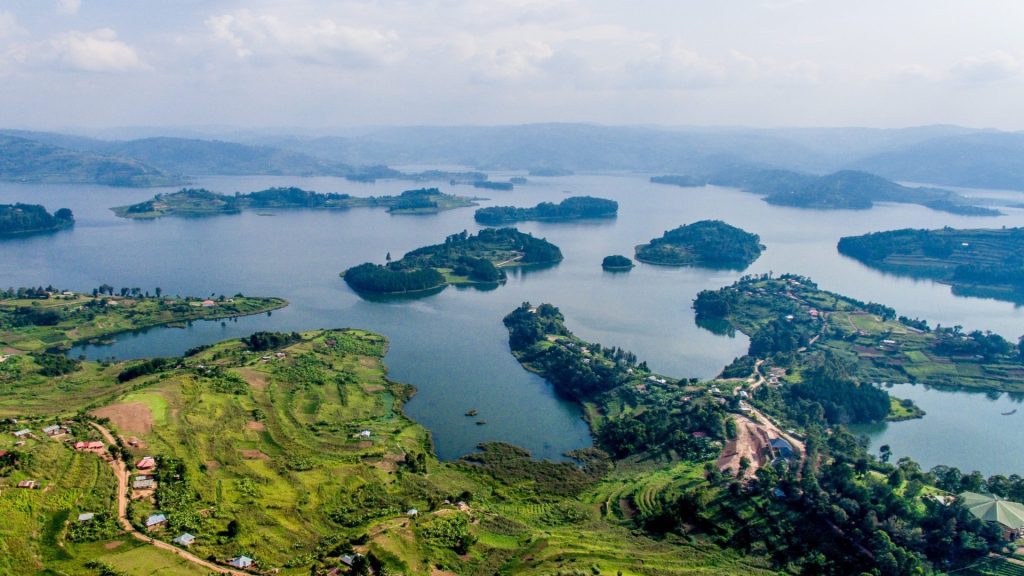
Queen Elizabeth National Park is located in southwestern Uganda along the border of the Democratic Republic of Congo, covering 1,978 square kilometres of interconnected savannah, wetland, forest, and crater lake ecosystems. Established in 1952 and renamed in 1954 following a visit by Queen Elizabeth II, it is Uganda’s most visited national park and sits at the ecological crossroads where East African savannah meets Congo rainforest, producing an exceptional concentration of species within a single protected area.
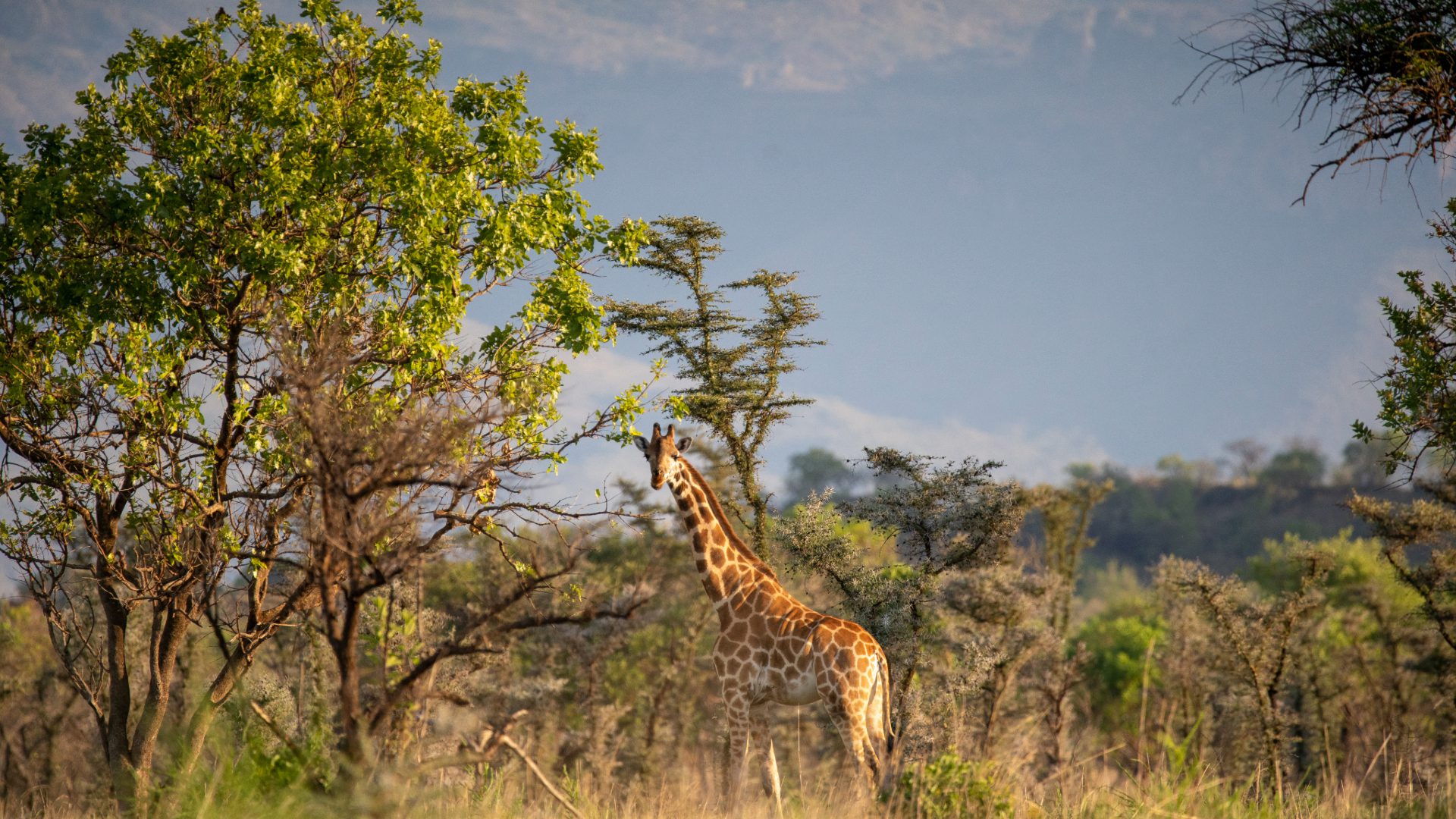
The park stretches from Lake George in the north to Lake Edward in the south, connected by the 40-kilometre Kazinga Channel. It is home to 95 mammal species, 10 primate species, and over 600 bird species, the largest bird checklist of any protected area in East Africa. Its four main zones, the Kasenyi Plains, the Ishasha sector, Kyambura Gorge, and Maramagambo Forest, each offer distinct wildlife experiences within the same park.
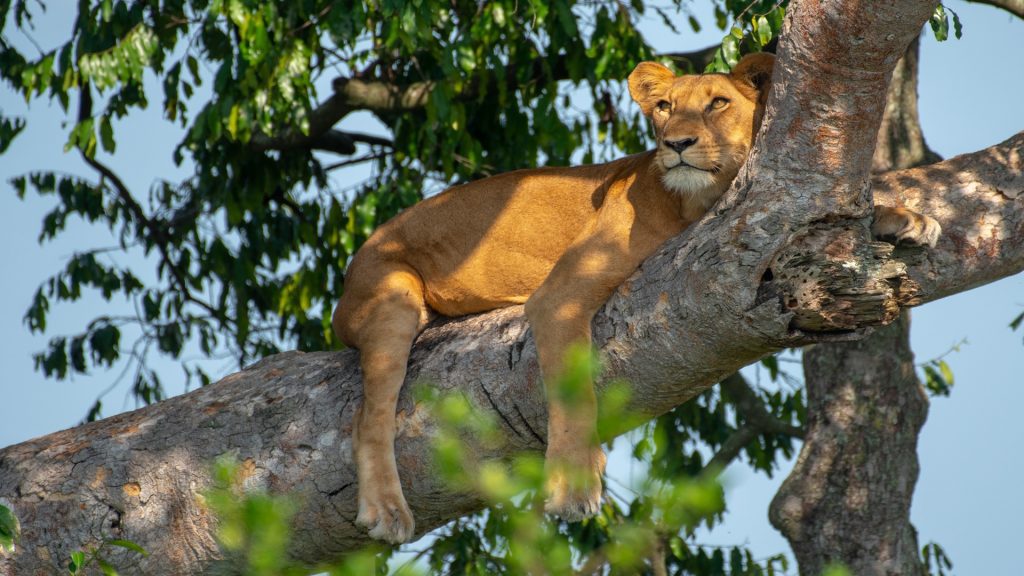
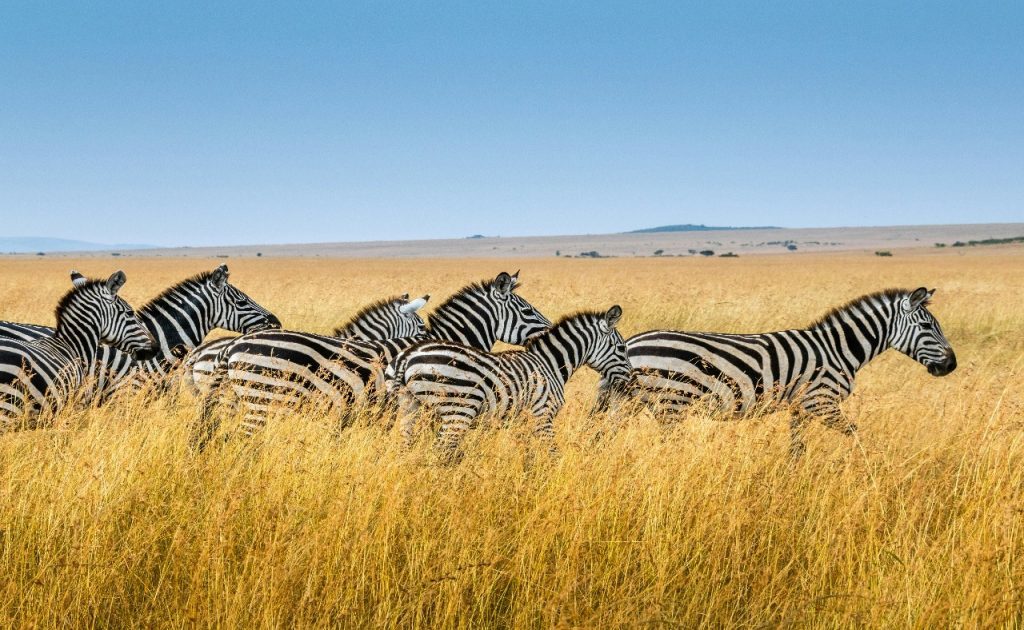
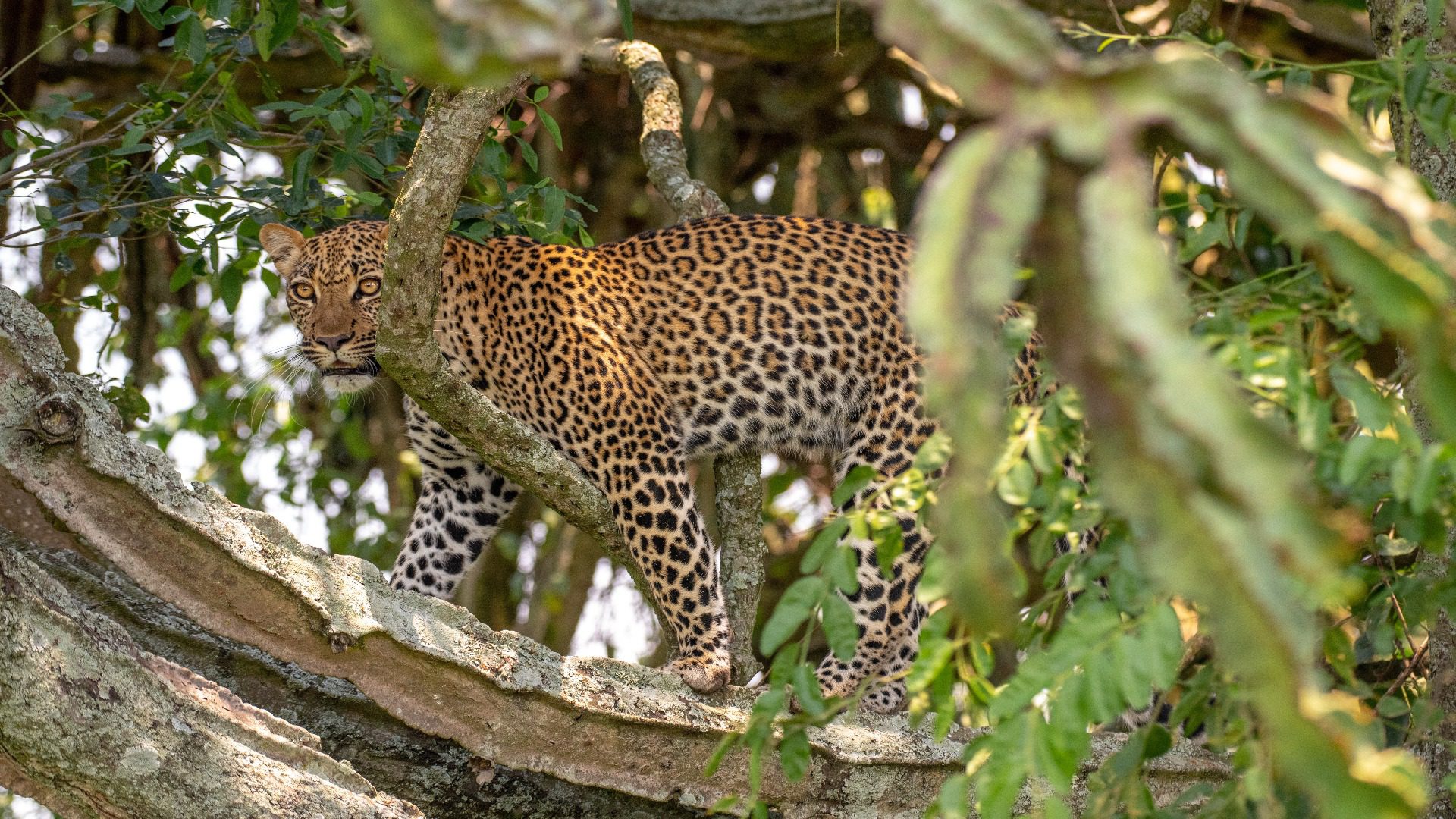
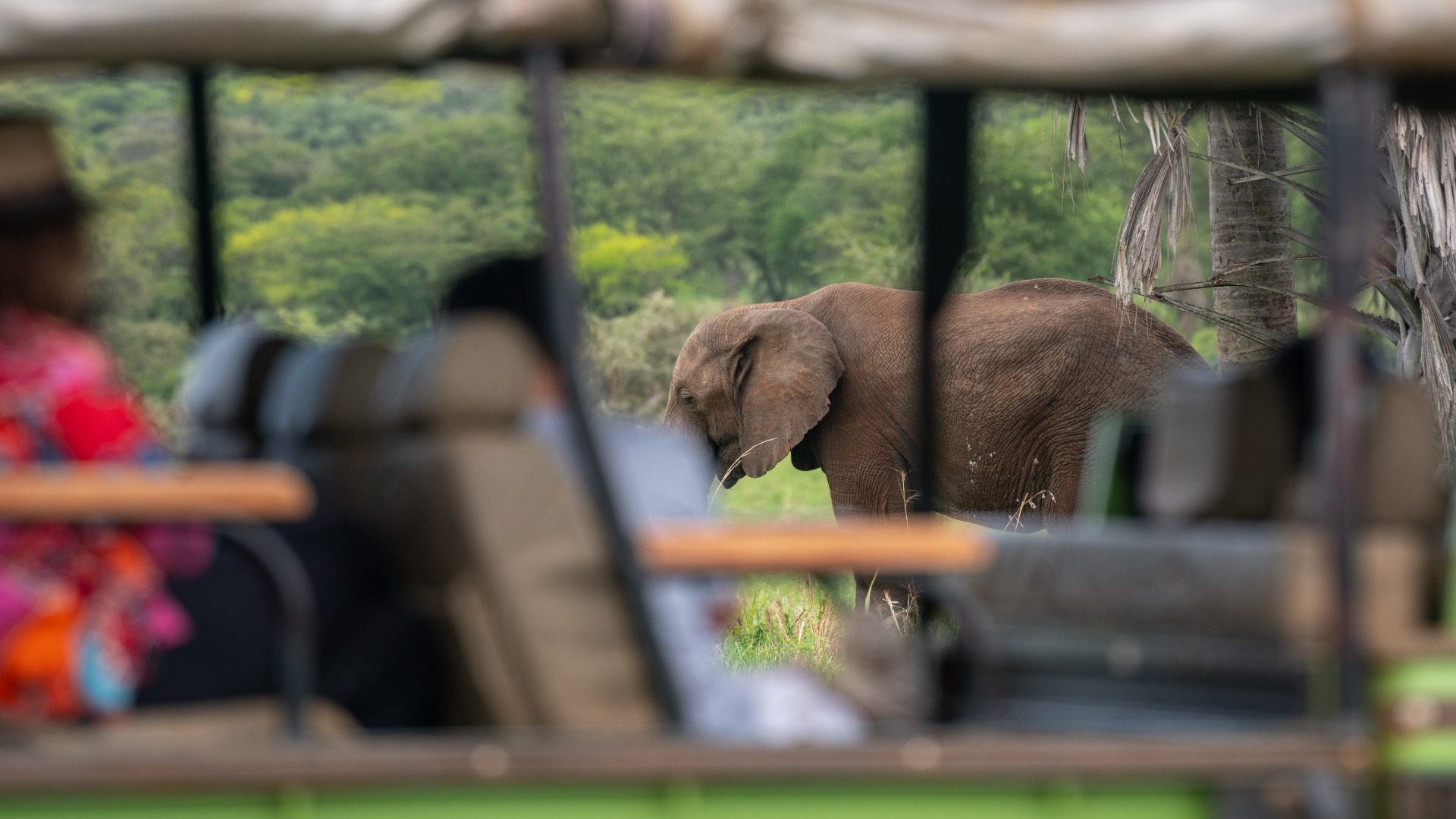
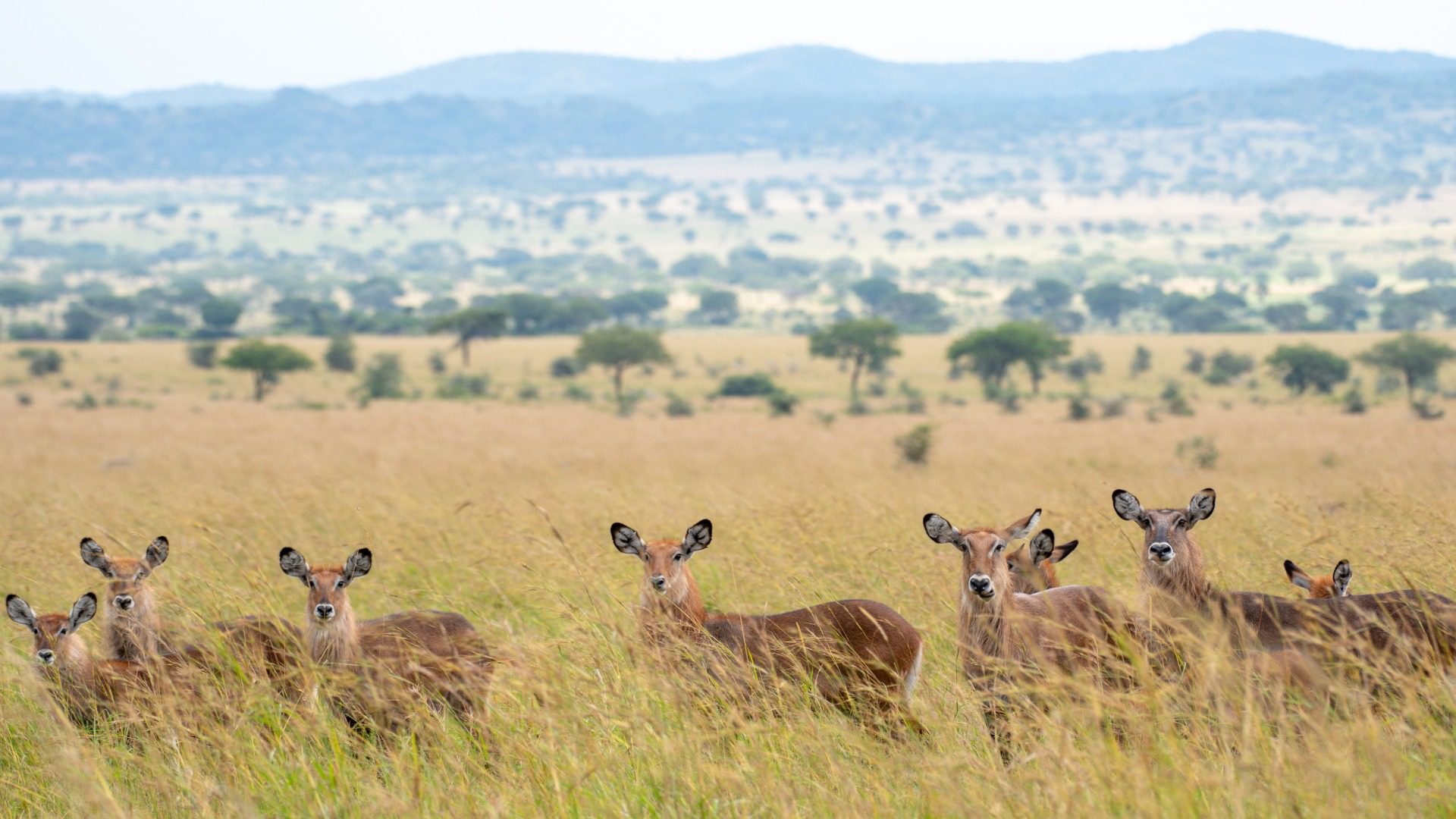
Queen Elizabeth National Park supports 95 mammal species including elephants, buffalo, hippos, leopards, spotted hyenas, Uganda kob, topi, and warthog. Lions are present across the park and are most commonly seen on the Kasenyi Plains, where large herds of Uganda kob attract predators year-round. The Ishasha sector in the south is home to one of Africa’s rarest wildlife behaviours, lions that regularly climb and rest in fig trees.
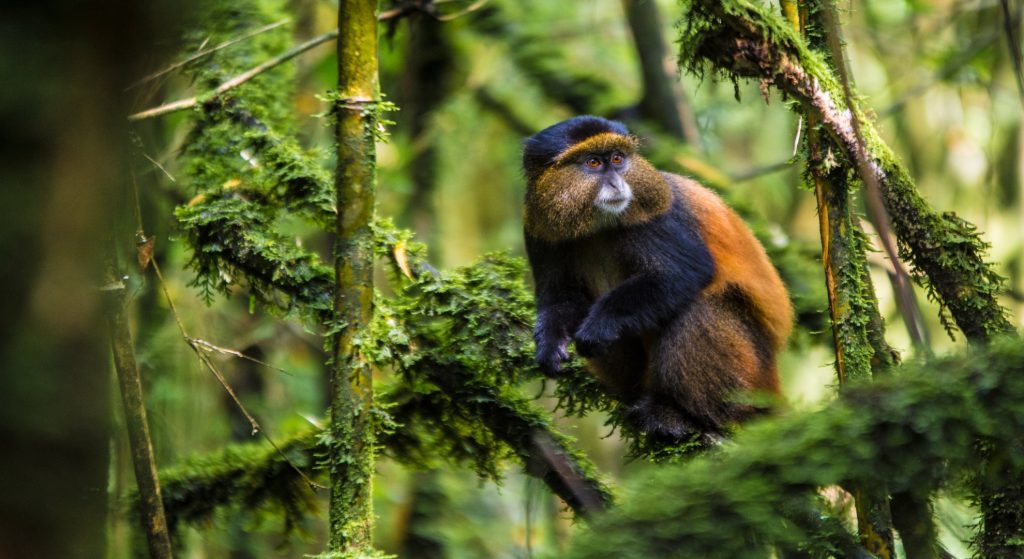
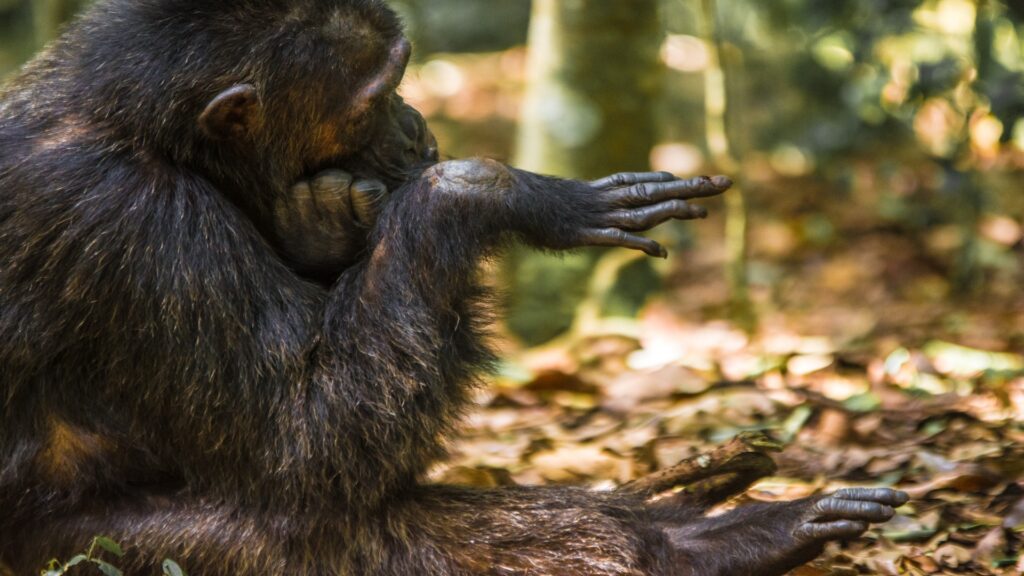
The park supports 10 primate species including chimpanzees, black and white colobus, red-tailed monkeys, and olive baboons. Chimpanzee tracking takes place in Kyambura Gorge, a forested valley 100 metres deep that cuts through the savannah landscape, and in Kalinzu Forest on the southeastern boundary of the park. Both locations offer guided chimpanzee tracking experiences within a single park visit.
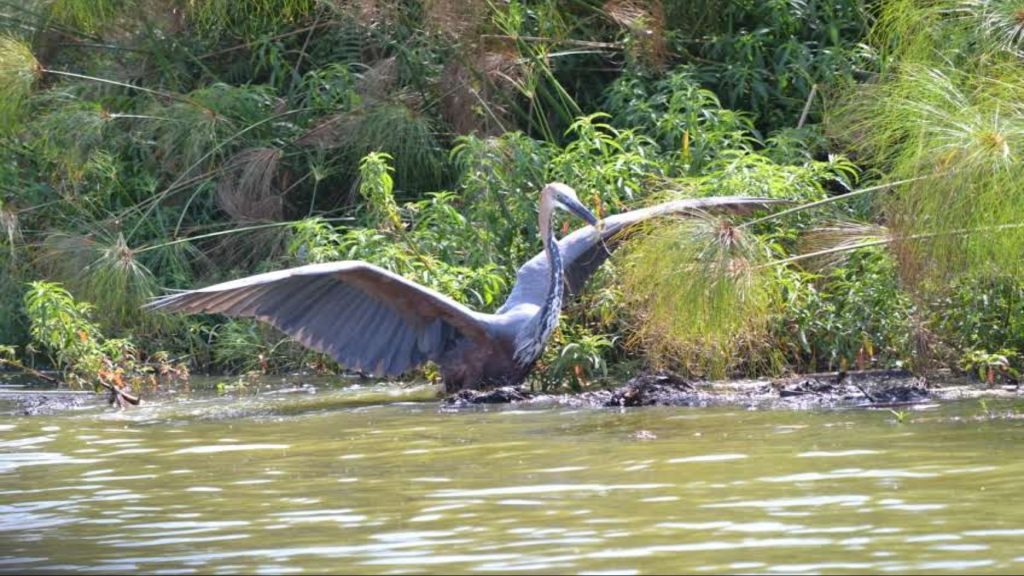
Queen Elizabeth National Park records over 600 bird species, the largest checklist of any protected area in East Africa. The Kazinga Channel is particularly productive for waterbirds including African Skimmer, Pink-backed Pelican, African Fish Eagle, and Saddle-billed Stork. The Maramagambo Forest adds forest species, and the Ishasha wetlands are a reliable location for the Shoebill stork.
Game drives in Queen Elizabeth National Park cover the Kasenyi Plains in the north and the Ishasha sector in the south. The Kasenyi circuit is the primary game drive area, offering consistent sightings of Uganda kob, elephant, buffalo, and lion across open grassland. The Ishasha circuit is a full day’s drive from Mweya but offers the best opportunity in Uganda to see tree-climbing lions resting in fig trees above the plains.
The Gorilla Habituation Experience is available only in the Rushaga sector and is the only experience of its kind in the world. Visitors join researchers and rangers working with a gorilla family that is still being habituated to human presence, spending up to 4 hours with the group rather than the standard one hour. The permit costs USD 1,500 per person and offers a significantly more immersive encounter than standard trekking.
Dedicated birding in Queen Elizabeth National Park covers the Kazinga Channel for waterbirds, the Maramagambo Forest for forest species including the African Finfoot and various kingfishers, and the Ishasha wetlands for Shoebill stork sightings. The park’s position at the overlap of East African savannah and Congo rainforest means species from both ecosystems are present, making it one of Uganda’s most productive birding destinations.
Chimpanzee tracking in Kyambura Gorge follows habituated chimpanzee communities through the forested gorge floor, offering a very different environment from the open savannah surrounding it. Tracking is also available in Kalinzu Forest for travellers spending more than one day in the park. Both options combine naturally with game drives and boat safaris within a single itinerary.
The drive from Kampala to Queen Elizabeth National Park takes 6 to 7 hours via the Masaka, Mbarara, and Ishaka route to Katunguru gate. From Bwindi Impenetrable National Park, the drive to the northern sector takes approximately 2 to 3 hours, making the park a natural addition to gorilla trekking itineraries. The Ishasha sector in the south is reached via Kihihi, adding approximately 2 hours from the northern sector.
Aerolink Uganda operates flights from Entebbe to Mweya airstrip in approximately 1 hour. The airstrip serves the northern sector of the park including Mweya Peninsula and the Kasenyi Plains. Travellers visiting the Ishasha sector can also fly into Kihihi airstrip. Flying is the most efficient option for travellers combining Queen Elizabeth with Bwindi or Kibale on a short itinerary.
The dry seasons provide the most reliable conditions for game drives and boat safaris in Queen Elizabeth National Park. Vegetation is less dense, wildlife concentrates around the Kazinga Channel and permanent water sources, and road conditions across the Kasenyi Plains and Ishasha sector are more manageable. Tree-climbing lion sightings in Ishasha are most consistent during drier months when the lions favour fig tree shade over dense vegetation.
The green season brings lush landscapes, fewer visitors, and some of the best birding conditions in the park, with migratory species present from November to April. Game drives and boat safaris remain fully operational, and the Kazinga Channel is productive for waterbirds year-round. Accommodation rates are generally lower and the park is significantly quieter during these months.
The Kazinga Channel boat safari is productive year-round regardless of season, as the channel’s permanent water supply keeps wildlife activity consistent along its banks throughout the year.
Accommodation in Queen Elizabeth National Park is concentrated around Mweya Peninsula in the north, with additional options near Ishasha in the south. Sector choice determines where you base yourself, and travellers combining both sectors typically need a minimum of two nights in the park.
Budget accommodation near Queen Elizabeth National Park includes guesthouses and campsites outside the park boundary near Katunguru and Kasese, offering basic facilities at lower price points for travellers managing overall safari costs.
Mid-range lodges around Mweya Peninsula and the Kasenyi area offer comfortable en-suite accommodation, meals, and guided activity access. These properties provide a practical base for game drives, boat safaris, and chimpanzee tracking without the higher costs of park-boundary lodges.
Luxury properties in Queen Elizabeth National Park are positioned on or near Mweya Peninsula, offering elevated views across the Kazinga Channel and Lake Edward. High-end options in the Ishasha sector provide exclusive access to tree-climbing lion territory for travellers who want to combine both park experiences with premium accommodation.
Tell us your travel dates and our team will design a Queen Elizabeth National Park itinerary combining game drives, boat safaris, and chimpanzee tracking within your available time.
Trek Safaris Uganda is a Kampala-based tour operator specialising in gorilla trekking, wildlife safaris, and tailor-made itineraries across Uganda, Rwanda, Kenya and Tanzania. Founded in 2008, we handle everything from gorilla permits to lodge bookings, so you can focus on the experience.